
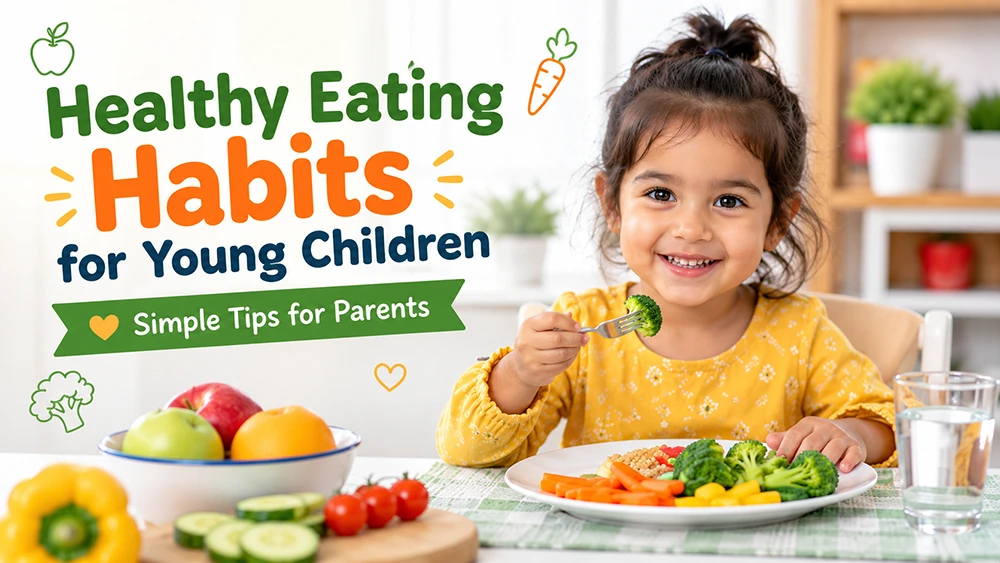
Making Healthy Eating Part of Everyday Life
Healthy eating habits can begin early in childhood. The foods and eating routines children experience while they are young can help shape their relationship with food as they grow.
For parents, encouraging healthy eating doesn’t have to mean making every meal perfect. Small, consistent habits—such as offering a variety of foods, eating together when possible, and creating positive mealtime routines—can make a meaningful difference.
The goal is to help children explore nutritious foods and develop a positive relationship with eating.
Why Healthy Eating Habits Matter for Young Children
Young children are growing quickly and need a variety of nutrients to support their everyday activities and development.
A balanced approach to meals can help provide children with the energy they need for:
- Playing and being active
- Learning and concentrating
- Growing and developing
- Building healthy routines
Healthy eating is also about more than the food itself. The environment around meals can influence how children feel about eating.
A calm and positive approach can help children feel more comfortable trying new foods.
Offer a Variety of Foods
Children may not enjoy every food immediately—and that’s completely normal.
Offering a variety of foods gives children opportunities to explore different tastes, colours, and textures.
Try including different options such as:
- Fruits and vegetables
- Whole grains
- Protein-rich foods
- Dairy or suitable alternatives
- Healthy snacks
You don’t need to introduce everything at once. Small and regular exposure can help children become more familiar with different foods over time.
Make Meals Colourful and Fun
Children are often curious about colourful and visually interesting foods.
Simple ideas can make healthy meals more engaging:
- Create colourful fruit plates
- Cut vegetables into fun shapes
- Let children choose between two healthy options
- Arrange food in simple patterns
- Include a variety of colours on the plate
The goal isn’t to turn every meal into a game. Instead, small creative touches can make new foods feel more approachable.
Encourage Children to Try, But Don’t Force
Encouraging children to explore new foods is helpful, but forcing them to eat can sometimes create a negative mealtime experience.
Instead of saying:
“You have to finish everything on your plate.”
Try using gentle encouragement such as:
“Would you like to try one small bite?”
or:
“You don’t have to like it, but you can explore the taste.”
Giving children some opportunity to listen to their hunger and fullness cues can also help create a more positive relationship with food.
Create Regular Meal and Snack Routines
Young children often benefit from predictable routines.
Having regular times for meals and snacks can help children understand what to expect during the day.
A simple routine might include:
- Breakfast
- Morning snack
- Lunch
- Afternoon snack
- Dinner
The exact schedule will vary from family to family, but consistency can help create a comfortable daily rhythm.
Let Children Participate
Children often become more interested in food when they feel involved.
Depending on their age, children may be able to help with simple tasks such as:
- Washing fruits and vegetables
- Stirring ingredients
- Choosing between healthy options
- Setting the table
- Helping pack snacks
These small responsibilities can help children learn about food while building confidence and independence.
Always make sure activities are age-appropriate and supervised.
Be a Positive Role Model
Children learn by watching the people around them.
When parents and caregivers enjoy a variety of foods and approach meals positively, children may become more open to trying new things.
Try to avoid describing healthy foods as something unpleasant that children simply “have to eat.”
Instead, make food part of normal family life.
Simple comments such as:
“I really like the crunch of these carrots.”
can create curiosity without pressure.
Keep Mealtimes Positive
Mealtimes don’t always need to be perfect.
Young children may spill food, change their preferences, or refuse something they enjoyed yesterday.
This is part of learning.
Whenever possible, try to keep the atmosphere calm and avoid turning meals into a battle.
Focus on creating a positive environment where children can:
- Explore different foods
- Learn about hunger and fullness
- Practice independence
- Enjoy family conversations
A relaxed approach can make mealtimes more enjoyable for everyone.
Be Patient With Picky Eating
Many parents experience periods of picky eating.
A child may suddenly reject foods they previously enjoyed or become cautious about unfamiliar textures and flavours.
Patience is important.
Instead of completely removing a food after one refusal, consider offering it again on another day without pressure.
Children sometimes need repeated opportunities to become comfortable with a new food.
Keep offering a variety of options while respecting your child’s individual preferences.
Choose Simple, Nutritious Snacks
Snacks can be an important part of a young child’s day.
Simple options may include:
- Fresh fruit
- Yogurt
- Vegetables with an appropriate dip
- Whole-grain crackers
- Cheese
- Homemade muffins with nutritious ingredients
Try to choose snacks that provide nourishment while also being easy for children to enjoy.
When preparing food for young children, always consider their age and appropriate food textures.
Help Children Listen to Their Bodies
Children are learning to recognize feelings of hunger and fullness.
Parents can support this by encouraging children to pay attention to how they feel rather than insisting they always finish everything.
Simple questions can help:
- Are you still hungry?
- Does your tummy feel full?
- Would you like a little more?
Helping children become aware of these feelings can support a more positive and balanced relationship with food.
Healthy Eating at Daycare and at Home
Consistency between home and childcare can help children experience familiar routines around meals and snacks.
Parents and educators can communicate about:
- Foods a child enjoys
- Dietary requirements
- Food allergies or sensitivities
- Mealtime routines
- New foods a child has tried
Sharing information can help create a more consistent experience for children.
At CityKidz Daycare, we believe that everyday routines—including meals and snacks—can be positive learning experiences.
Children can develop independence, communication skills, and social connections while enjoying mealtime with others.
Simple Ways to Encourage Healthy Eating Every Day
Healthy habits don’t need to be complicated.
Here are a few simple ideas parents can try:
Offer choices
Give children two healthy options and let them choose.
Keep introducing new foods
A child may need several opportunities before becoming comfortable with something new.
Eat together when possible
Family meals can provide opportunities for connection and positive role modelling.
Avoid pressure
Encourage children to explore food without forcing them.
Make food enjoyable
Use colour, variety, and simple presentation to make meals appealing.
Be patient
Children’s preferences can change, and that’s normal.
Building Healthy Habits One Meal at a Time
Healthy eating habits develop gradually.
Parents don’t need to create a perfect menu every day. What matters most is creating regular opportunities for children to experience a variety of foods in a positive environment.
Small habits can add up over time.
A colourful plate, a calm conversation, an opportunity to help prepare food, or a simple invitation to try something new can all become part of a child’s learning experience.
Supporting Healthy Routines at CityKidz Daycare
At CityKidz Daycare, we understand that healthy routines are an important part of a child’s everyday experience.
Along with learning and play, children benefit from positive routines that help them feel comfortable, supported, and ready for their day.
Parents are encouraged to communicate with our team about their child’s individual needs and dietary requirements.
You can explore our Our Programs page to learn more about the childcare programs available at CityKidz Daycare.
Final Thoughts
Helping children develop healthy eating habits is a gradual journey.
Offer a variety of foods, create positive routines, encourage exploration, and be patient with changing preferences.
The goal is not perfection.
By creating a relaxed and supportive environment around food, parents can help children develop confidence, curiosity, and positive habits that can grow with them over time.
Small healthy choices made consistently can help build positive habits for the future.