
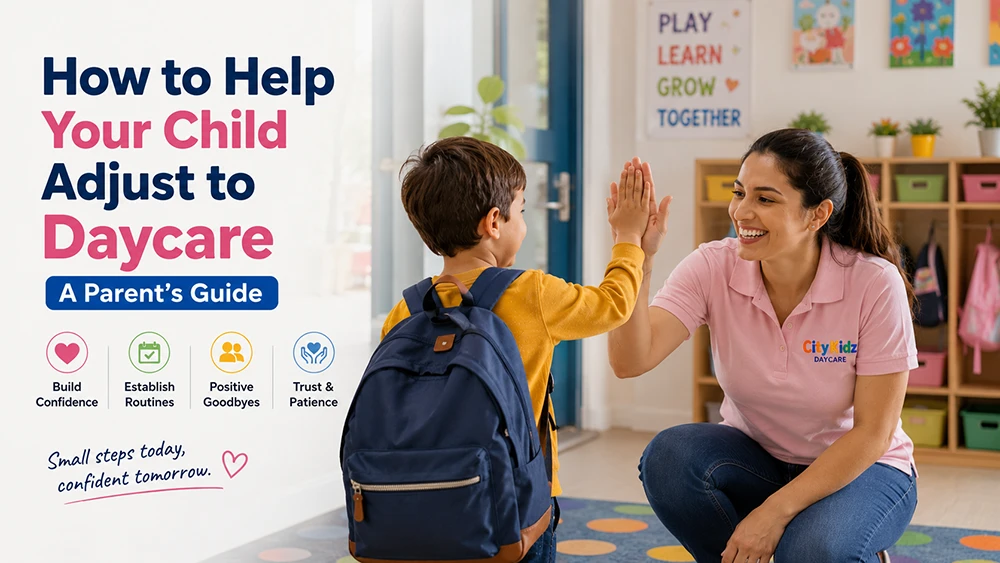
Making the Transition to Daycare Easier
Starting daycare is a big milestone for both children and parents. For some children, the transition feels exciting from the beginning. For others, it may take time to become comfortable with a new environment, new educators, new routines, and time away from family.
It is completely normal for children to need time to adjust. Some may cry during drop-off, become more clingy at home, or take a little longer to feel comfortable in their new routine. Consistency, patience, and supportive communication can make the transition easier.
Understanding the Daycare Transition
For a young child, starting daycare can bring many changes at once. They may be experiencing a new environment, unfamiliar people, different routines, and separation from their parents.
Every child adjusts differently.
Some children may settle in quickly, while others need more time to build trust and feel secure. This doesn’t necessarily mean something is wrong. Adjustment is a process, and children often need time to become familiar with new experiences.
The most important thing parents can do is remain patient and provide reassurance.
Talk About Daycare Before the First Day
Before your child starts daycare, talk about what they can expect.
Use simple and positive language appropriate for their age. You can explain that they will have opportunities to play, meet educators, enjoy activities, listen to stories, and spend time with other children.
For younger children, simple conversations can help make the idea of daycare feel more familiar.
You might say:
“Tomorrow, you’ll go to daycare and play with your friends. After work, I’ll come back to pick you up.”
Try to focus on helping your child understand what will happen rather than making big promises about how they will feel.
Visit the Daycare Together
If possible, visiting the daycare before the first full day can help your child become familiar with the environment.
Seeing the classroom, meeting educators, and exploring the space with a parent nearby can make the first day feel less unfamiliar.
Parents can also use the visit as an opportunity to show their child that they feel comfortable and confident about the environment.
The American Academy of Pediatrics recommends helping children become familiar with new caregivers and childcare settings before regular care begins.
Create a Consistent Morning Routine
Predictable routines can help children know what to expect.
Try to keep mornings calm and consistent, especially during the first few weeks of daycare.
A simple routine might include:
- Waking up
- Getting dressed
- Eating breakfast
- Packing their daycare items
- Travelling to daycare
- Saying goodbye
You don’t need a complicated schedule. The goal is simply to create familiarity.
When children begin recognizing the pattern, the morning routine can become easier to understand.
Keep Goodbyes Short and Positive
Drop-off can sometimes be the most difficult part of the day.
When your child is upset, it can be tempting to stay longer, return for another hug, or repeatedly say goodbye. However, a calm and predictable goodbye routine can help children understand what to expect.
Try creating a simple goodbye ritual.
For example:
- One hug
- One kiss
- A reassuring sentence
- A wave goodbye
You might say:
“I love you. Have a good day. I’ll come back to pick you up after your activities.”
Then say goodbye calmly and leave.
Children often take emotional cues from their parents, so remaining calm and confident can be reassuring. Consistent, brief goodbye routines are commonly recommended for easing separation transitions.
Don’t Sneak Away
It may seem easier to leave while your child is distracted, but it’s generally better for children to know when you are leaving.
A clear goodbye helps build trust.
Your child learns an important pattern:
Parent says goodbye → Parent leaves → Parent comes back.
Over time, this repeated experience can help children feel more secure about separation.
Even if your child becomes upset, a calm goodbye and a consistent routine can help make the transition more predictable.
6. Give Your Child Something Familiar
A familiar item from home can sometimes provide comfort during a new transition.
Depending on the daycare’s policies and your child’s age, this might include:
- A small comfort toy
- A favourite blanket
- A family photo
A familiar object can help create a connection between home and the new environment. The American Academy of Pediatrics and UNICEF both note that familiar comfort items may help some children during separation.
Always check with your daycare about which personal items are appropriate and permitted.
Talk Positively About Your Child’s Day
At pickup time, ask your child simple questions about their day.
Instead of asking too many questions at once, try:
- What was your favourite activity?
- Did you play with anything fun?
- Did you hear a story today?
- What made you happy?
Some young children may not be ready to describe their entire day, and that’s okay.
You can also talk positively about daycare without pressuring your child to feel a certain way.
For example:
“I was happy to see you today. I hope you had some nice moments with your friends.”
The goal is to keep communication open and supportive.
Expect Some Emotional Changes
During the adjustment period, some children may become more clingy, tired, or emotional at home.
A busy new environment can take time and energy to adjust to.
After daycare, your child may benefit from a calmer routine, including:
- Quiet play
- Reading together
- A healthy snack
- Relaxing time with family
- Extra connection and reassurance
Try not to interpret every difficult moment as a sign that daycare isn’t working.
Children often need time to process new experiences and routines.
Stay Consistent
Consistency is one of the most important parts of helping a child adjust.
Changing routines frequently can make it harder for children to understand what to expect.
Try to maintain consistency with:
- Drop-off routines
- Pickup times
- Bedtime routines
- Communication about daycare
When children repeatedly experience the same routine, they can gradually develop a stronger sense of predictability and security.
Communicate With Your Child’s Educators
Parents and educators are important partners in a child’s adjustment.
Share useful information about your child, such as:
- Favourite activities
- Comfort strategies
- Sleep routines
- Eating habits
- Communication style
- Any worries or concerns
Educators can also share information about how your child is settling into the day.
Open communication helps everyone better understand the child’s individual needs and can create more consistency between home and daycare.
What If My Child Cries at Drop-Off?
Seeing your child cry when you leave can be emotionally difficult.
However, crying during separation is common for many young children, particularly during new transitions. Separation anxiety can be part of normal early childhood development.
Try to remember:
- Stay calm
- Acknowledge your child’s feelings
- Keep your goodbye routine consistent
- Avoid making a long or repeated departure
- Trust the educators to provide support
- Follow through when you say you will return
You can always speak with your child’s educators about how they are settling after you leave.
Many children calm down and become engaged in activities after the initial transition.
Be Patient With the Process
There is no exact timeline for adjusting to daycare.
Some children feel comfortable within a few days. Others may take several weeks to become familiar with their new routine.
Progress may not always be perfectly consistent either.
Your child might have several good days followed by a more emotional morning. This can happen during periods of adjustment.
Focus on the overall progress rather than expecting every day to be perfect.
Small signs of growing comfort can include:
- Walking into the daycare more confidently
- Recognizing educators
- Showing interest in activities
- Talking about daycare at home
- Beginning to form friendships
- Settling more easily after drop-off
These moments can show that your child is gradually becoming familiar with their new environment.
Supporting Your Child Starts With Trust
Children often feel more secure when the important adults in their lives work together.
Trusting your child’s educators, maintaining consistent routines, and giving your child time to adjust can all support a smoother transition.
Starting daycare is a new chapter—not just for your child, but for the whole family.
It is okay if the first days feel emotional.
With patience, consistency, and support, many children gradually build confidence, develop relationships, and begin to feel comfortable in their new environment.
Helping Your Child Feel at Home at CityKidz Daycare
At CityKidz Daycare, we understand that starting daycare is an important transition for both children and parents.
Our goal is to provide a welcoming and supportive environment where children can feel comfortable, explore new experiences, and build positive relationships.
Families looking for childcare in Edmonton are welcome to learn more about our programs and visit our daycare environment.
You can explore our Our Programs or Book a Tour to learn more about CityKidz Daycare.
Final Thoughts
Helping your child adjust to daycare takes patience, consistency, and understanding.
Simple steps—such as visiting the daycare, creating a predictable routine, keeping goodbyes calm, and communicating with educators—can help make the transition feel more manageable.
Remember that every child is different.
Give your child time, celebrate small progress, and provide reassurance along the way.
A new environment may feel unfamiliar at first, but with caring support and consistent routines, children can gradually gain the confidence to explore, learn, and enjoy their daycare experience.